Tesla Sets End-of-Year Deadline for Cybercab Customer Deliveries
Tesla confirms that production of its autonomous two-seater is active at Gigafactory Texas, with initial private sales planned for late 2026 to support its expanding robotaxi network.
By Brianna Jackson ·
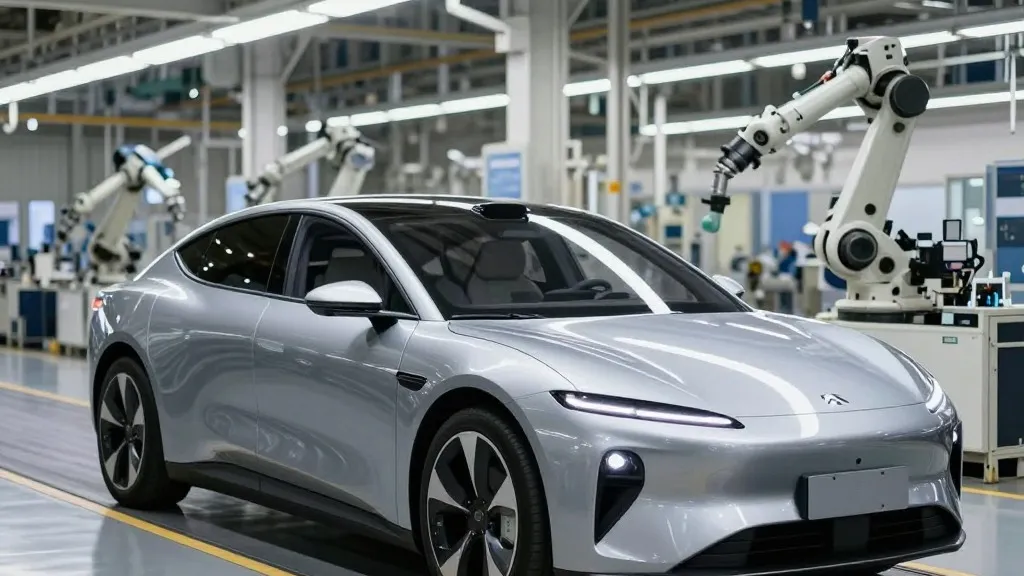
Tesla has established a concrete timeline for the commercial availability of its Cybercab, confirming that the company intends to begin delivering the vehicle to individual customers before the close of 2026. This announcement, made during the third-quarter 2026 earnings call on October 21, resolves prolonged market uncertainty regarding the rollout of the fully autonomous two-seater. The strategic shift signals a move from internal fleet deployment to external consumer sales, a critical step in Tesla's broader monetization of its autonomous driving technology.
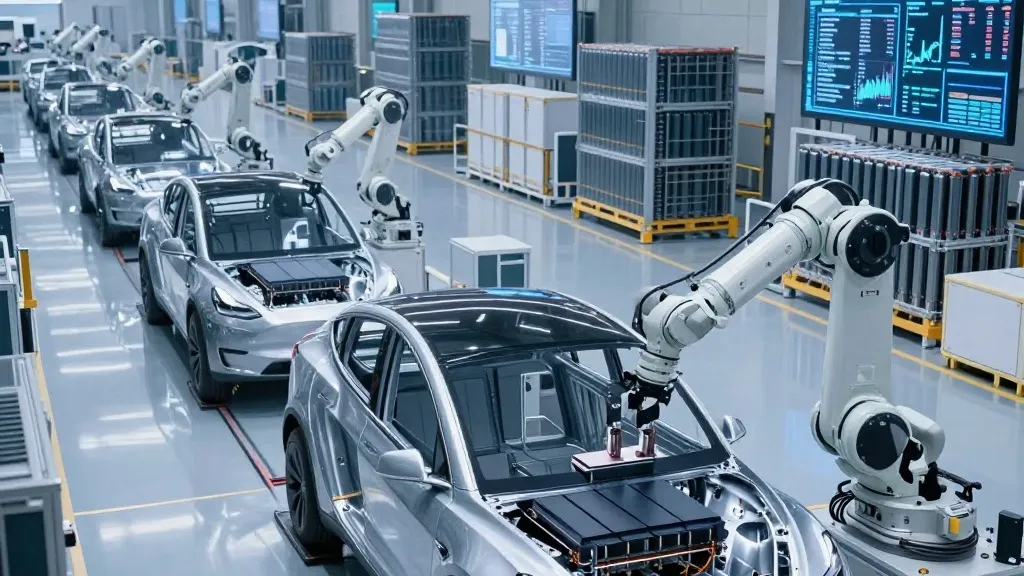
Lars Moravy, Vice President of Engineering, provided the primary operational update, stating that the goal is to have Cybercabs in the hands of customers by the end of the current year. He confirmed that manufacturing is already active on the production line at Gigafactory Texas. However, Moravy clarified that the current output is being retained for Tesla’s internal use, with all units initially assigned to the company’s own robotaxi fleet. This approach allows the firm to validate reliability and safety metrics before exposing the vehicle to private owners who will operate it outside of Tesla’s direct logistical control.
The path to the current status began with the start of Cybercab production in February 2026. The vehicle, which lacks traditional controls such as a steering wheel and pedals, relies entirely on Tesla’s Full Self-Driving suite. By early September, the company had integrated these early production units into its public-facing robotaxi service. This phased rollout has allowed Tesla to gather real-world data on autonomous operations, a prerequisite for the upcoming expansion into private sales. The company had previously signaled an intent to price the Cybercab at approximately $30,000, positioning it as an affordable entry point into autonomous mobility.
CEO Elon Musk reinforced the business model during the call, emphasizing that the Cybercab is fundamentally a service product rather than a traditional asset for private ownership. Musk described the vehicle primarily as a "transport-as-a-service" offering, distinguishing it from the Model 3, Model Y, or the upcoming Roadster, which are designed for personal use. He noted that the vast majority of Cybercab units will remain Tesla-owned, allowing the company to retain control over maintenance, updates, and fleet utilization. This model aligns with the company's long-term strategy to maximize the efficiency of its autonomous vehicle fleet.
Looking ahead, Tesla plans to scale customer deliveries gradually. Moravy explained that initial private sales will be limited in volume as the company refines delivery logistics, ownership structures, and fleet management protocols. This cautious approach is designed to mitigate risks associated with handing autonomous vehicles to parties other than Tesla’s own operators. As operations expand, the company intends to deliver fully designed autonomous vehicles to customers, with the Cybercab serving as the inaugural model in this new category.
While the Cybercab rollout is a near-term milestone, the company’s autonomous driving roadmap extends further into the future. Ashok Elluswamy, Tesla’s Head of AI, indicated that unsupervised Full Self-Driving capabilities are expected to ship to consumer cars during the second quarter of 2027. This timeline suggests that while the Cybercab will be available first, the broader consumer base will not receive fully autonomous vehicles until the following year. The gap between these two milestones highlights the different regulatory and operational hurdles faced by dedicated robotaxis versus multi-purpose passenger cars.
Several challenges remain before the final delivery phase can commence. Early buyers and fleet operators may face geographically restricted autonomous operation due to the pace of regulatory approvals. Tesla must navigate these regulatory landscapes to ensure that the vehicles can operate effectively in their target markets. Despite these hurdles, the confirmation of an end-of-2026 delivery date provides a clear benchmark for investors and consumers alike, marking a significant transition from prototype testing to commercial reality for Tesla’s most innovative vehicle to date.
Source: Teslarati