Tesla Delays Robot Deliveries to 2027, Citing Hand and AI Issues
The company has pushed back its timeline for sending humanoid robots to outside clients, acknowledging that critical hardware and software challenges remain unsolved.
By Camila Rodriguez ·
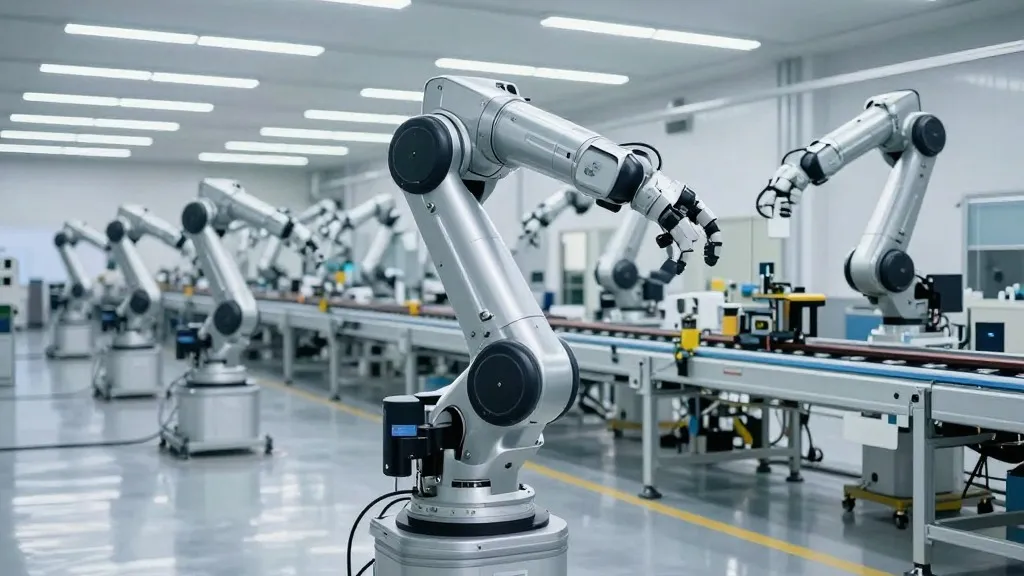
Tesla expects to begin delivering its Optimus humanoid robots to external customers by the end of 2027, a timeline that reflects a significant shift from previous promises. During the Q3 2026 earnings call, CEO Elon Musk acknowledged that the robot’s hands, overall durability, and artificial intelligence require substantial development before the machine can be considered ready for the market. This delay places the launch at least a year later than the high-volume targets Musk initially outlined for 2025 and 2026.
The path to this current status has been marked by repeated adjustments to the schedule. In 2024, the company aimed to use the robots internally in 2025 and sell them in high volume in 2026. By January 2025, Musk projected the production of 10,000 units that year, with several thousand performing useful work by year's end. However, the company later conceded that none of the robots had achieved that level of utility, leading to the new late-2027 target for external deliveries.
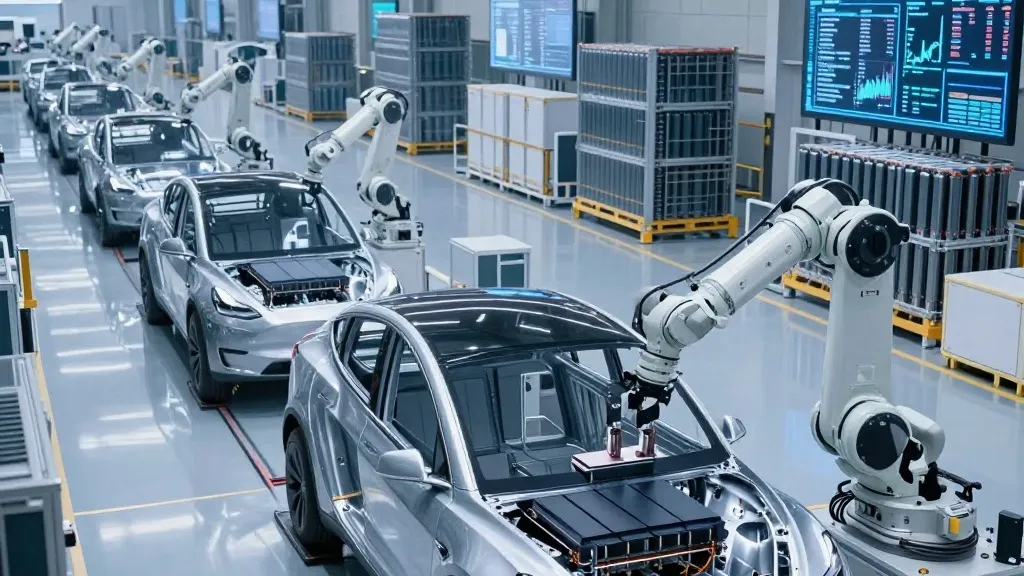
Production is currently underway in Fremont, California, on a high-volume line previously used for Model S and Model X vehicles. While much of the infrastructure for a million-robot annual capacity is installed, Musk noted that reaching the target rate of 20,000 units per week will take at least another year. This is because critical parts of the design are still evolving, preventing the line from running at full speed.
The primary technical hurdles identified by Tesla engineers and Musk include the electromechanical design of the hands and the reliability of custom gears. The hands present a unique engineering challenge: fingers must be soft enough to handle delicate objects yet durable enough to withstand constant wear, a combination that is difficult to achieve since robots cannot heal like human skin. Additionally, the company is still refining its AI architecture to allow the robots to generalize tasks rather than just following pre-programmed routines.
To address the AI gap, Tesla plans to deploy its AI5 chip into the robots around April 2027. Since the company lacks a large fleet of robots collecting real-world data like its cars do for Full Self-Driving, it intends to build 10,000 to 20,000 units to practice tasks in a facility dubbed the "Optimus Academy." Musk promised a video within the next month or two demonstrating the robot performing unscripted tasks, aiming to prove the technology moves beyond scripted demos.
Competitors are making comparable strides, challenging Musk’s assertion that no one is close to Tesla’s progress. XPeng has automated over 80% of the production processes for its IRON robot in Guangzhou and plans mass production by the end of 2026. Its delivery timeline for stores and malls in the first half of 2027 is similar to Tesla’s, if not slightly earlier. Meanwhile, Boston Dynamics, under Hyundai, began producing its electric Atlas robot in January and has committed all 2026 deployments to clients, including Google DeepMind.
Boston Dynamics has adopted a pragmatic approach to the hand problem by prioritizing sturdy grippers for industrial parts over human-like dexterity. This strategy allows Atlas to work in car factories, such as Hyundai’s Metaplant in Georgia, where it is currently learning to sequence parts. The hiring of Milan Kovac, Tesla’s former head of Optimus, by Boston Dynamics in January further highlights the shifting dynamics in the robotics industry.
Looking ahead, the industry faces the same fundamental challenges: creating hands that survive real work, ensuring reliability, and achieving AI generalization. While Tesla may have the most robots built, the focus is shifting from manufacturing volume to practical utility. Investors and observers will be watching the upcoming Optimus video closely, as it serves as a key indicator of whether the late-2027 delivery date will hold or slip again.
Source: Electrek