Charlie Precourt Cites 22 Flights For Lunar Landing
A NASA safety panel member outlined the high number of Starship launches required to support a crewed mission to the Moon.
By Chinedu Okafor ·
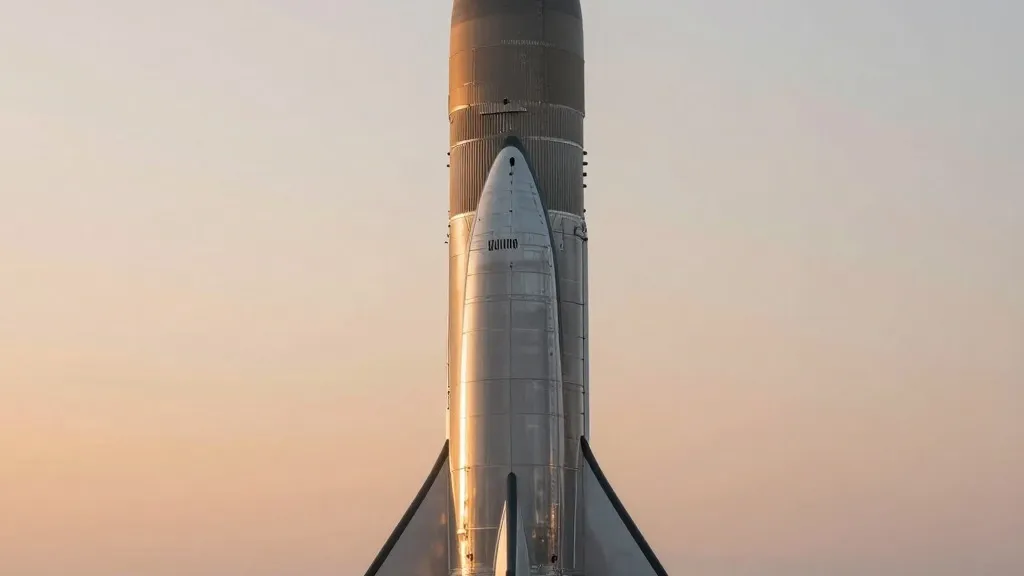
Twenty-two. That is the figure currently circulating regarding the number of Starship launches needed to support a lunar landing mission. This high estimate was presented during a NASA Aerospace Safety Advisory Panel meeting on Thursday, marking a significant shift from previous discussions surrounding the Artemis Program. The discussion centered on the logistics required to fuel a Starship-based lander in low-Earth orbit, a necessary step before it can depart for the Moon, land, and return to lunar orbit.
The number of launches required for this process has been a moving target for years, and NASA has historically been guarded about providing a specific figure. In 2023, Lisa Watson-Morgan, then-director of NASA’s Human Landing System, declined to give an exact number, stating, “We have a general idea, but I’m reluctant to say exactly what that is.” She later characterized the requirement as being in the “high single digits to the low double digits.” That range suggested a mission could be supported by a depot Starship and approximately 11 tanker flights to fill it with liquid oxygen and methane propellant.
Other officials have previously estimated the number of launches as being in the “high teens.” The consistent hope throughout the program's development has been that SpaceX would increase the lift capacity of its Starship rocket, thereby reducing the number of tanker flights required to fuel a lander. However, some NASA officials now have concerns that such improvements are not occurring quickly enough for Starship to play a significant role in returning humans to the Moon for NASA as part of Artemis this decade.
The new estimate emerged on Thursday during the panel's quarterly meeting. Panel member Charlie Precourt, a former NASA astronaut, spoke about risks associated with the Artemis Program and landing humans on the Moon. During his remarks, the conversation turned to the number of Starship launches required to support such a mission, a figure NASA has previously declined to release.
Precourt addressed the issue directly. “We have a number that has been provided to us,” he said. “That number is 22.” The statement provides a specific figure for a metric that has been closely guarded by the agency. The panel's role is to advise the NASA administrator on safety matters, and the number of launches is a key factor in assessing the risks and feasibility of the planned lunar landing architecture.
The source of the 22-launch figure was not immediately clarified during the meeting. The discussion did not specify whether this estimate pertains to the total number of Starship launches for an entire mission or solely the number required to fuel a lander in low-Earth orbit. The figure represents a significant increase from previous estimates of a dozen launches or the “high teens.”
The conversation about launch numbers is directly tied to the timeline for returning humans to the Moon. The stated goal is to land people on the lunar surface by the end of the decade. A higher number of launches per mission would increase the time and resources needed for preparation, potentially affecting schedules.
The panel's meeting on Thursday did not provide a timeline for when a definitive launch count would be finalized for a specific mission. The discussion focused on the risks associated with the Artemis Program, and the number of launches is a central component of that risk assessment. The role of Starship in the Artemis program remains a key topic for NASA officials.
The agency has not issued a public statement regarding the 22-launch figure. The number was shared during the panel's quarterly meeting, which is a forum for discussing safety issues related to NASA's programs. The meeting's agenda included a discussion of risks associated with the Artemis Program and landing humans on the Moon.
Source: Ars Technica